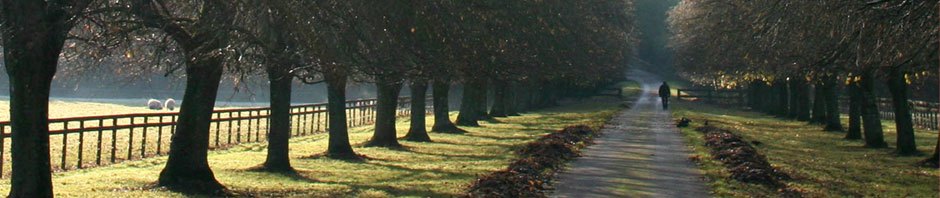
Our Shellbark Hickory Trees

Also known as Kingnut Hickory, Big Shellbark, and Shagbark.

Found on moist, fertile bottomlands across southern Pennsylvania.

The nut is covered with a thick husk that splits into four pieces when ripe.


By this time of year, our yard is covered with these husks and nuts.


They are a favorite thing for our little grandsons to gather.

Pull Apart

Examine

As with other edible nuts, squirrels compete with humans for this fruit.

Its bold-textured, jagged branch structure and thick twigs give it a striking appearance in winter.

The wood is hard, strong, tough and elastic, and is used in handles for tools and in athletic equipment. The wood also makes excellent firewood, and often is used in smoking meat.
Our grandson, Josh, was doing a report on leaves a few weeks ago. He and his mom thought our trees might be Shagbark, but I am not sure if the bark is shaggy enough.

The Shellbark Hickory tree, Carya laciniosa, is similar to that of the Shagbark Hickory, but often not quite as shaggy. The fruit is larger than other hickories.

When Fall arrives, they are some of the prettiest trees in our yard.

7 Responses to Thursday November 8, 2007